
Start with the route and its weather
Deciding what to wear hiking starts with the place, not the wardrobe. A warm parking lot does not tell you what an exposed ridge will feel like. Look at the temperature for the whole time you plan to be out, including the slower walk back in the late afternoon, and read the wind, rain and trail alerts too. Then decide. The National Park Service trip-planning guidance puts conditions and your own limits ahead of a fixed gear formula.
Where will you be?
Shade, exposed slopes, wet plants and rough ground change the coverage and protection you need.
What if you stop?
Walking keeps you warm; sitting at lunch does not. Pack a layer for the stop.
What about the return?
Tired legs walk slower, and evenings cool fast. Keep the extra clothing in your pack, not in the car.
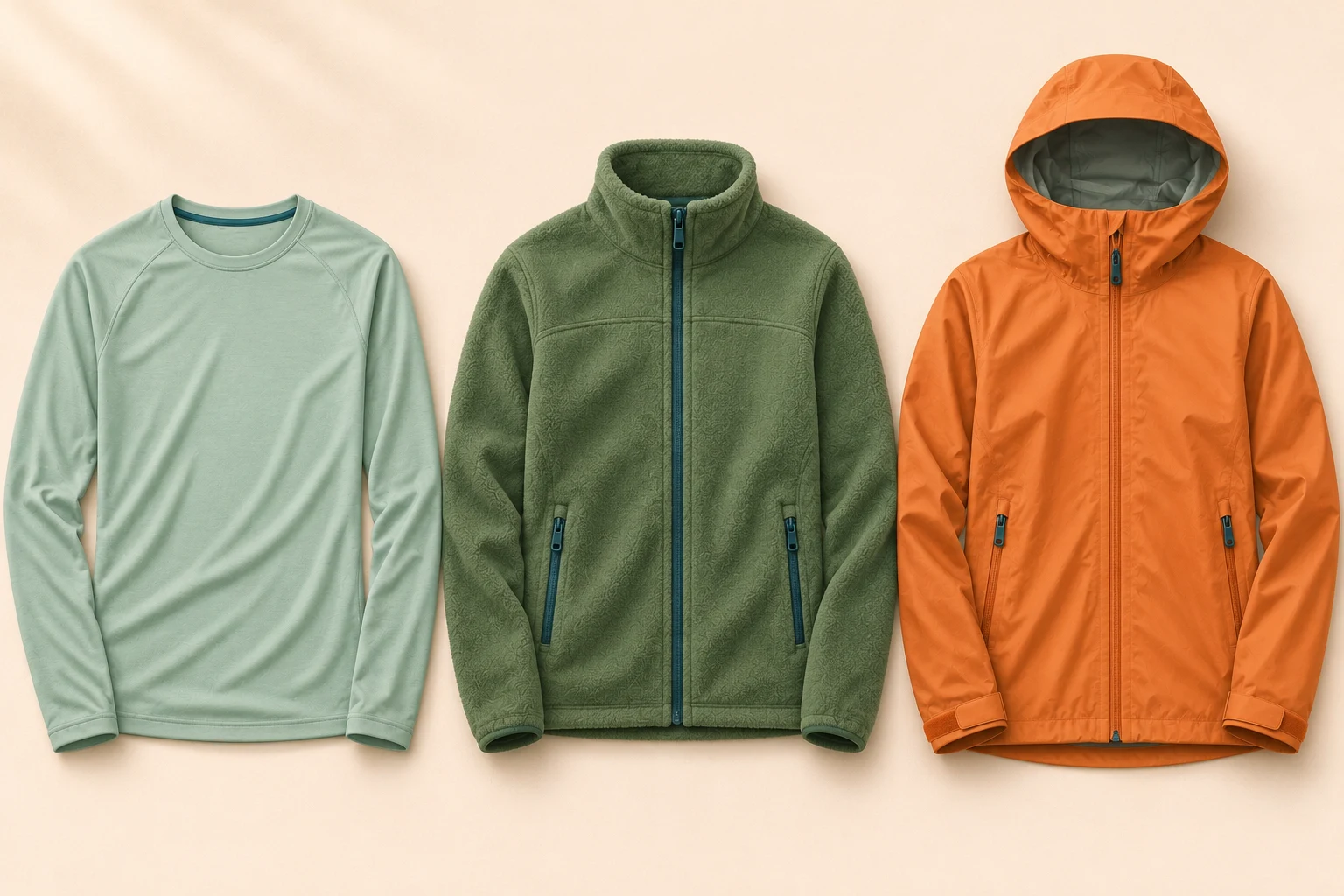
We'd start with what you already own. A quick-drying running shirt and an old fleece often do the job. Check the fabric labels, then test the combination on a short walk. Nobody on the trail needs a matching outfit.
How to dress for hiking: give each layer a job
Each layer has a job: base, warmth, weather protection. You will rarely wear all three all day. On a warm climb you might wear only a light top; on a windy break you may need the extra layers. REI’s layering guide explains this system and why effort matters alongside weather.
Base: next to skin
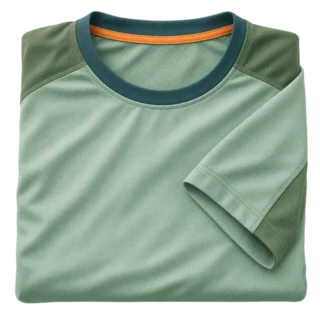
Choose a quick-drying synthetic or wool shirt and underwear. The fit should allow movement without bunching or rubbing under straps.
Middle: warmth
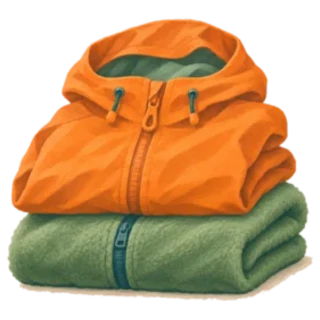
A fleece or insulated jacket, warm enough for a 20-minute stop. Down loses much of its warmth when wet, so in damp weather a synthetic jacket is the safer pick.
Outer: wind and rain
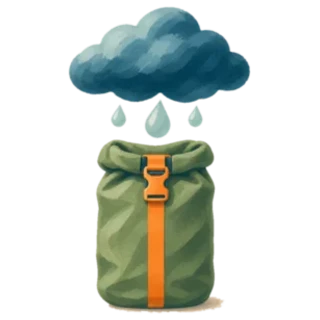
A hooded rain shell keeps the layers underneath dry. It should zip over your fleece. Try that at home.
A shell is not insulation. A thin rain jacket and a warm fleece do different jobs. A windbreaker may shrug off a brief shower. An afternoon of steady rain will soak through it.
Synthetic and wool layers are the safe starting point. Cotton shirts, denim and cotton sweatshirts hold moisture and dry slowly, making them poor choices when cold or wet conditions are possible. The Appalachian Trail Conservancy recommends quick-drying clothing and layers for its changeable mountain weather.
What to wear hiking in summer, winter and rain
Treat these as starting combinations. Pace, wind, rain, shade and how warm you run all change the choice. The National Weather Service explains how wind increases heat loss; a temperature alone leaves that out.
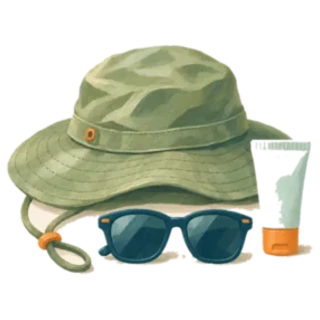
Summer and hot weather
A light, loose top and shorts or thin pants. Add a brimmed hat, sunglasses and sleeves or sunscreen for exposed stretches. Carry the warmth and rain protection the route requires.
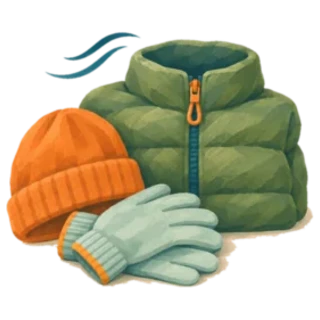
Cold, windy and winter days
Start with a wool or synthetic base and long bottoms. Add a fleece or insulated jacket and a shell for wind. Pack a warm hat and gloves if a stop or summit will be windy or near freezing.
Rain or wet vegetation
Use a rain shell over the layers you need for warmth. Consider rain pants for sustained rain or wet brush. Protect spare clothing inside a waterproof bag or liner.
Rain is not the only way clothes get wet. Denali’s ranger-led hike guidance specifically calls out soaked vegetation. Its equipment requirements are local to those hikes, but the clothing lesson travels: check what you will walk through as well as the forecast.
Clothes do not make every forecast suitable. Follow local alerts and choose a different route or day if you cannot prepare for the conditions. A winter trail with snow or ice needs traction, more warmth and skills that this clothing guide does not cover.
In hot weather the cotton rule bends. Some desert parks suggest cotton on purpose, because a wet shirt cools you. Do not transfer that advice to a cool, rainy mountain route. For extreme heat, follow the destination’s guidance, such as Grand Canyon’s summer hiking advice; an outfit does not remove the need to change the timing or plan.
Choose bottoms, socks and shoes
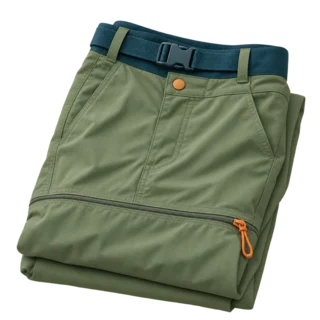
Quick-drying pants
A useful default when you want coverage from sun, plants or cool air. Convertible pants let you change coverage. Check that you can take a high step and squat without the waistband pulling.
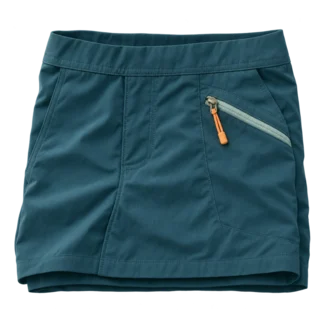
Shorts
Fine on warm, open trails. Think about sun, bugs and scratchy plants first.
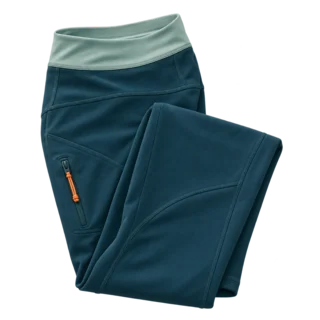
Leggings
Quick-drying synthetic athletic leggings can work on maintained trails without much brush. Check coverage and comfort under the pack.
Underwear and bras count as layers too. Choose comfortable, quick-drying pieces if you use them. Test the seams, straps and support of a sports bra with your backpack on. Something that feels fine in the mirror can start to rub badly after an hour once the hipbelt and shoulder straps are carrying real weight.
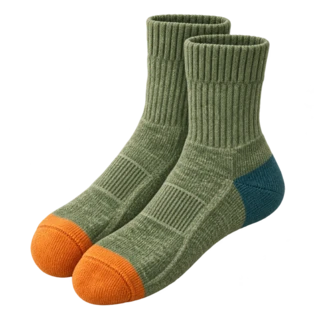
Socks: match the shoe
- Wool or synthetic: choose a comfortable hiking or athletic sock.
- Fit without bunching: test the thickness in the actual shoe.
- Dry spare: pack one when wet feet are likely; keep it protected.
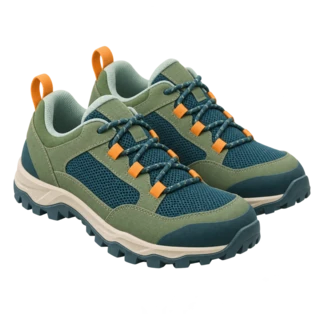
Shoes: test before the day
- Fit and traction: match the footwear to the surface and load.
- Familiar pair: try the shoes and socks together on shorter walks.
- Boots are not automatic: suitable trail shoes can work; rugged terrain or local rules may call for more.
The NPS Alaska equipment guidance recommends trying clothing and footwear before the trip.
Change layers as you walk
Change before you are damp. The American Hiking Society’s layering guidance emphasizes adjusting for both weather and perspiration. Keep warmth and rainwear reachable so changing does not require unpacking everything.
Before a climb: reduce warmth if needed. Open a zip or remove insulation at a safe stopping place before you overheat. Keep the weather protection you still need.
At a break: reassess straight away. You are producing less heat. Add your warm layer when needed, and a shell if the wind or rain calls for it.
When rain starts: protect dry layers. Put rainwear on before the clothing underneath becomes soaked. Open the vents, because sweat still builds up under a shell.
Before continuing: check comfort. Adjust cuffs, hood and pack straps. Keep removed wet items away from the dry spare clothing.
Check your outfit before leaving
Try the full combination with your loaded pack. Reach up. Step onto a chair. Squat. Check that you can zip the shell over the warm layer and turn your head with the hood on.
Hiking clothing questions
What should a beginner wear hiking?
Start with a quick-drying shirt, flexible non-cotton bottoms, comfortable socks and shoes you have already walked in. Carry a warm layer and rain protection for the route. Check existing workout clothes before buying specialist items.
What should I wear hiking in 40 or 50 degree weather?
That is about 4°C or 10°C. Wear a quick-drying base and long pants, and carry a fleece or insulated jacket plus a wind and rain shell. At the colder end, add a warm hat and gloves. Wind, rain and long stops make it feel colder than the number.
What should I wear hiking in 60, 70 or 80 degree weather?
That is about 16°C, 21°C or 27°C. At 60 degrees, wear a light top and long or convertible pants and carry a light fleece. At 70–80 degrees, shorts or light pants, a brimmed hat and sun coverage work, with the shell kept in the pack. In humid heat, follow local heat guidance and start early.
Can I wear jeans or a cotton hoodie hiking?
They are poor default choices when rain, cold or a delay is possible because cotton holds moisture: jeans can stay wet and cold for hours after a shower. Quick-drying athletic trousers and a fleece are generally more adaptable. A short fair-weather stroll and an exposed mountain hike have different demands.
Are leggings or shorts OK for hiking?
They can be, if they suit the trail and conditions. Check movement and comfort under the pack. Shorts expose skin; thin leggings may snag in brush. Quick-drying long pants offer another option when you want more coverage.
Do men and women need different hiking layers?
The jobs of the layers are the same. Choose the cut, underwear, support and coverage that work for you. Test the whole outfit with your pack instead of choosing by the category label alone.
What should I wear hiking in spring or fall?
Check actual route conditions rather than choosing by the calendar. A cool start, a warm climb and a windy stop may happen on one outing. Carry adjustable warmth and rain protection, and check the forecast through your return.
Clothes are only part of it. For what to bring beyond clothes, such as water, food and navigation, use the full day-hike checklist.