
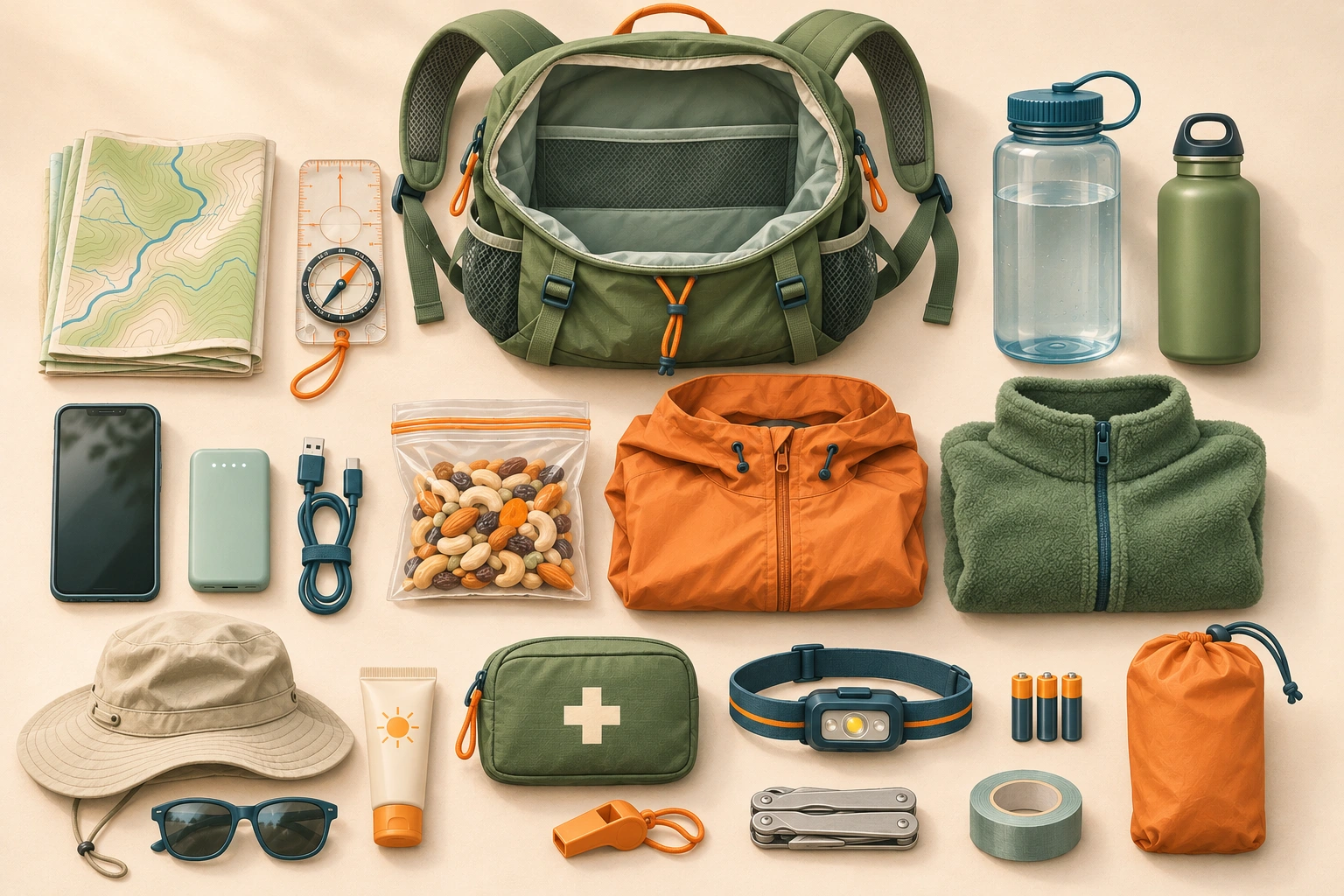
Check the route before you pack
Look up the trail before you open your pack. A warm parking lot tells you little about a windy ridge.

Check the route
Walking time, elevation change, daylight, closures, water sources and the forecast for the trail itself, plus the land manager’s current alerts.
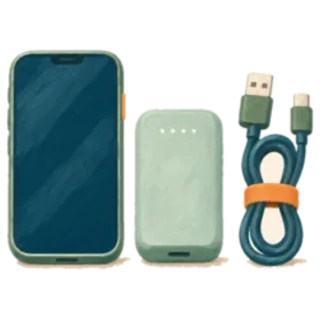
Tell someone
Share your route and return time with a trusted contact. The NPS trip planning guide lists what to share.
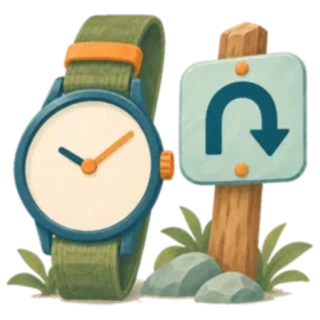
Set a turnaround time
Decide before you start. If weather or the trail looks worse than expected, shorten the walk.
Turning back is part of the plan. Reaching your turnaround time and walking out is a good day on the trail, viewpoint or not.
Day hike checklist: the ten essentials
Lay everything out before packing and tick it off. Open the first-aid pouch and switch on the headlamp: a familiar bag can still hide flat batteries.
Based on the National Park Service’s Ten Essentials. Choose specific items you already know how to use.
Also wear or bring
- Broken-in footwear
- Clothes for the forecast
- ID, permit, parking pass
- Trash bag
- Hygiene supplies
Carrying a water filter? It helps only where your plan includes a suitable source. Still start with full water: a mapped stream or trailhead tap may be dry.
Adjust the packing list for the conditions
Keep the core list every time. Change the amount and type of gear for the outing; never drop the headlamp or warm layer because a hike is short.
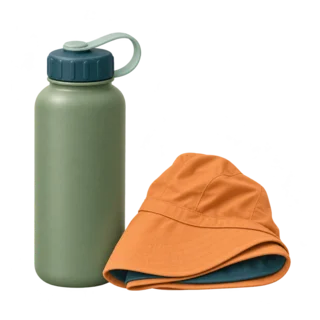
Hot or exposed
More water, sun cover, an early start and shade breaks.
If you cannot carry enough water, pick a shorter or shadier route.
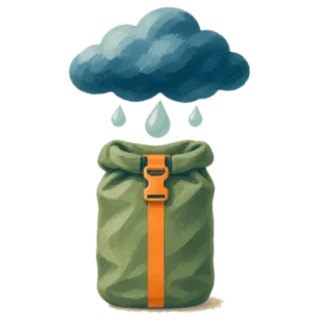
Rain or wet ground
Rainwear and waterproof bags for maps, spare clothes and electronics.
Bag the dry layer separately so it stays dry until you need it.
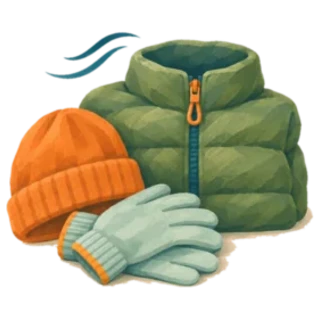
Cold, windy or winter
Insulation, a warm hat and gloves sized for a stop.
Bring gloves and a hat you could sit out a long stop in.
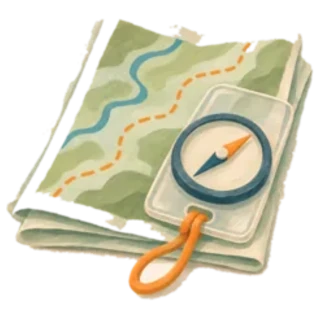
Remote or unfamiliar
Navigation backup, extra supplies and a communication plan.
Know how you would call for help with no phone signal.
Thunderstorms possible? Change the outing. Read the National Weather Service lightning guidance before you set off.
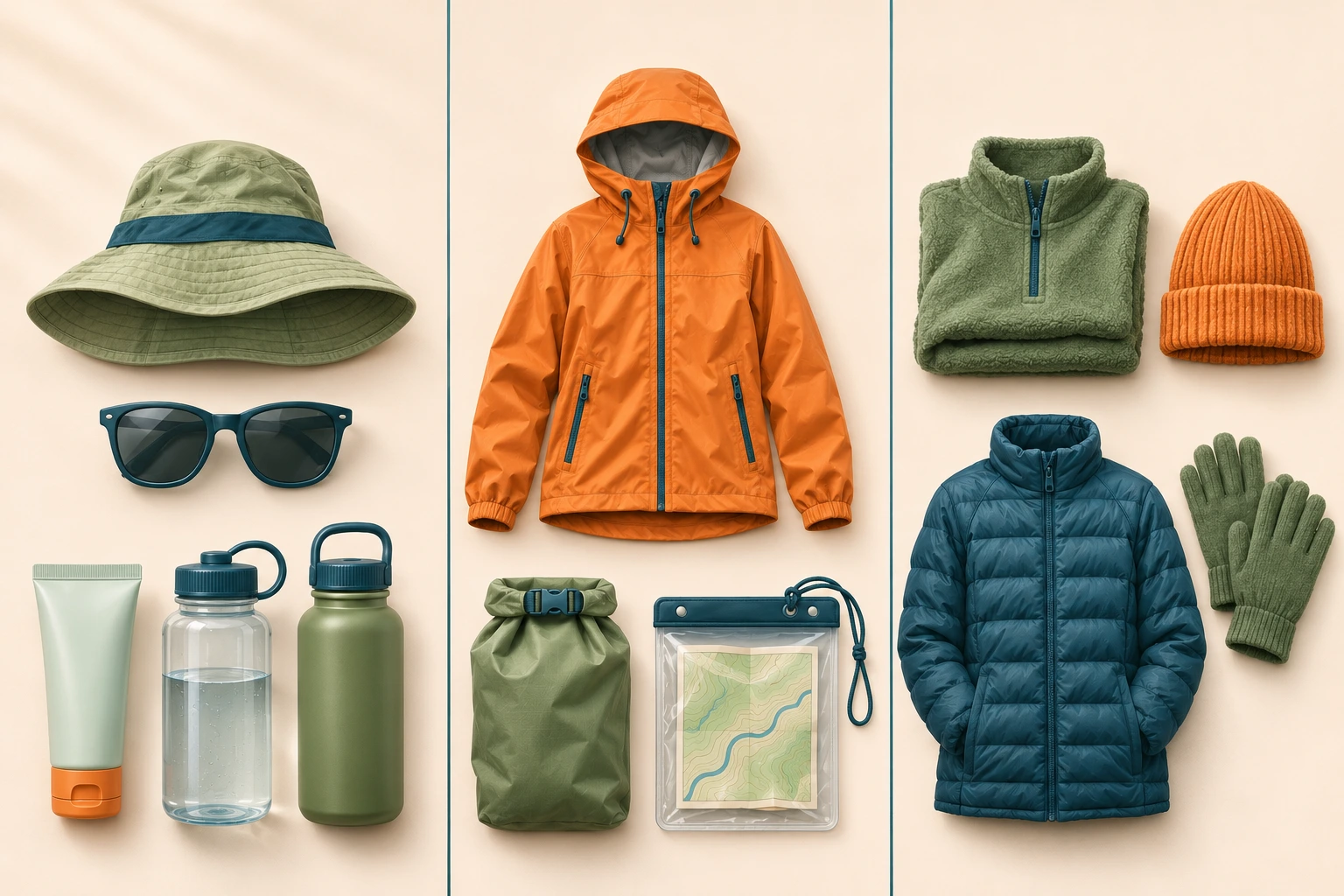
The American Hiking Society explains why each essential matters.
Pack so you can reach what you need
The exact pocket matters less than finding each item without emptying the bag.
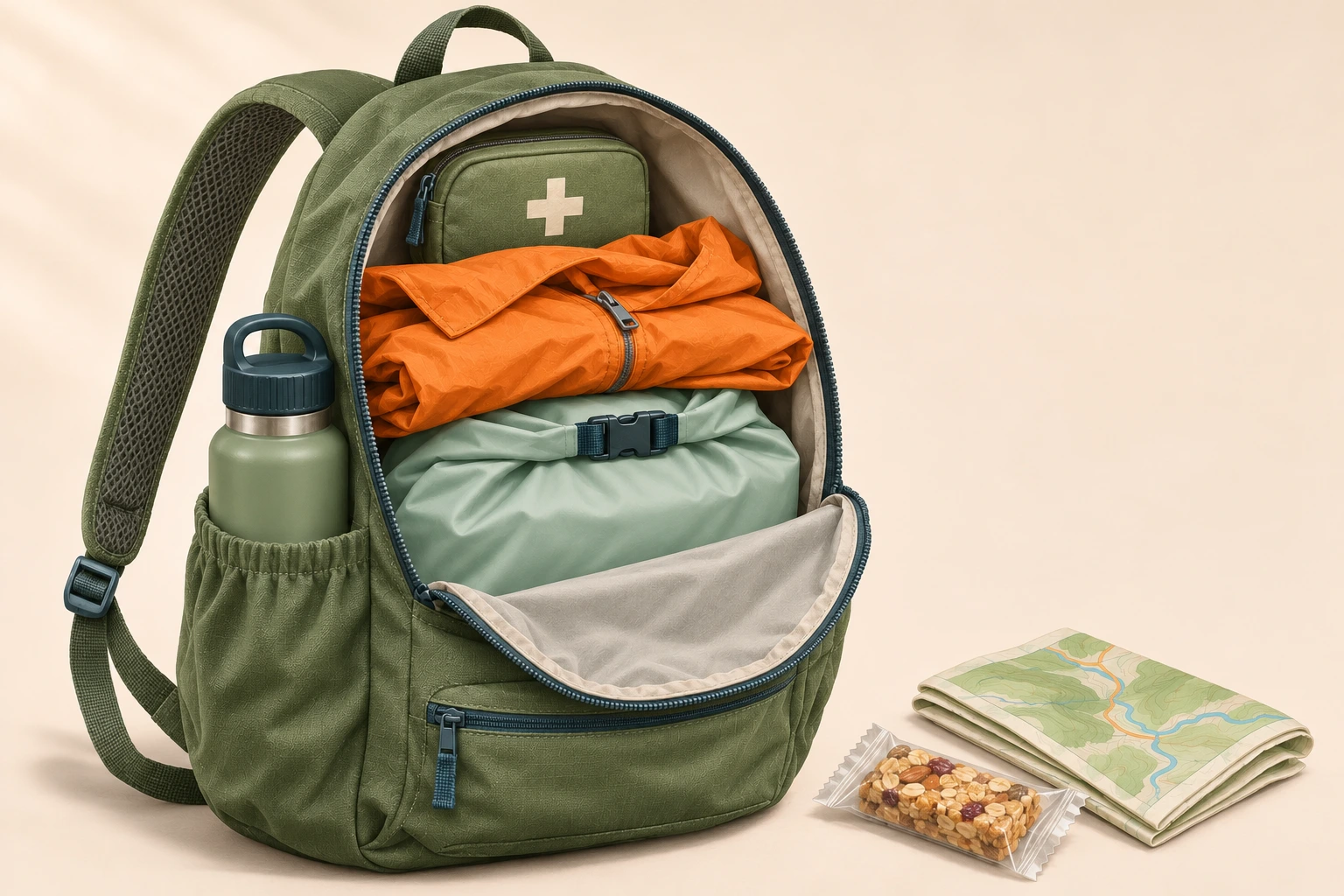
Within reach: water, snacks, map, sunscreen and the rain shell if rain is forecast.
Near the top: first aid and headlamp.
Protected inside: spare warm layer and emergency supplies in a waterproof bag.
Try it on with full water. Walk around and adjust the straps. If the load feels unmanageable, rethink the route before you go.
Keep the car kit separate
Goes with you
- Water and food
- Medicines and first aid
- Rainwear and warm layer
- Keys and phone
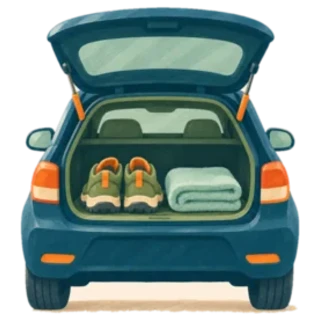
Can wait in the car
- Dry shoes and socks
- Towel and change of clothes
- Extra drinks and food for later
Check your pack before you lock the car: a bottle left in the trunk can’t help you halfway round the loop.
Run this check at the trailhead
Match the plan to the place. Trail name, start point, closures, return route.
Open the map offline. The route you downloaded at home loads in airplane mode.
Look at the sky and the time. Conditions and daylight still fit your plan.
Touch the essentials. Water, food, layers, headlamp, medicines.
Confirm the group plan. Everyone knows the route and turnaround; your contact has the current plan.
Trail different from what you planned? If the sign shows a longer or more exposed route, your kit was packed for a different hike. Rethink the plan before setting off.
Choose your next walk. Check a route’s length, climb and water sources against your kit, then read the local alerts.
Day hike preparation guides
This page covers the whole kit. Each guide below goes deeper into one part.
- How to pack a hiking backpackA simple diagram for weight and easy reach.
- What to wear hikingLayers for a day on the trail.
- How much water to bringPlan for heat, time and water sources.
- Prevent blistersFit, socks and early care.
- First aid kit checklistWhat a day-hike kit needs.
- Hiking navigation basicsMap, compass and phone.
Day hike packing questions
How much water should I bring on a day hike?
There is no single number: it depends on heat, effort, time and whether the trail has reliable water. Plan your total for the day before you go, and drink regularly, before you feel thirsty, as the NPS advises. In strong heat, hikers can lose one or two liters an hour (Grand Canyon NPS), so carry more or pick a shorter, shadier route.
What are 10 things I should pack for a day hike?
The Ten Essentials: navigation, a headlamp, sun protection, first aid, a knife or repair kit, fire, emergency shelter, extra food, extra water and extra clothes. The list above turns them into items you can tick off.
What should I bring on a short hike?
The same ten essentials, in smaller amounts. A short hike can still run late or go wrong, so keep the light and warm layer, plus first aid for small injuries.
Can I use my phone GPS for hiking?
Yes, with a map downloaded before you lose signal, a charged phone and a spare battery. The NPS warns not to rely on coverage: keep a physical map as backup and use airplane mode to save battery.
Can I use a regular backpack for hiking?
Yes, if it carries the whole kit comfortably and securely. Test it fully loaded; you do not need a specialist pack just because a checklist mentions one.
Is there a printable day hike checklist?
Yes. Use the Print button on the checklist or your browser’s print menu, then tick the boxes on paper as you pack. Most browsers can also save it as a PDF for your phone.
Can I use this for a multi-day hike?
Only as a starting point. Overnight trips need a separate plan for sleeping, food, water and camping permits; a compact emergency shelter is not a sleeping system.