
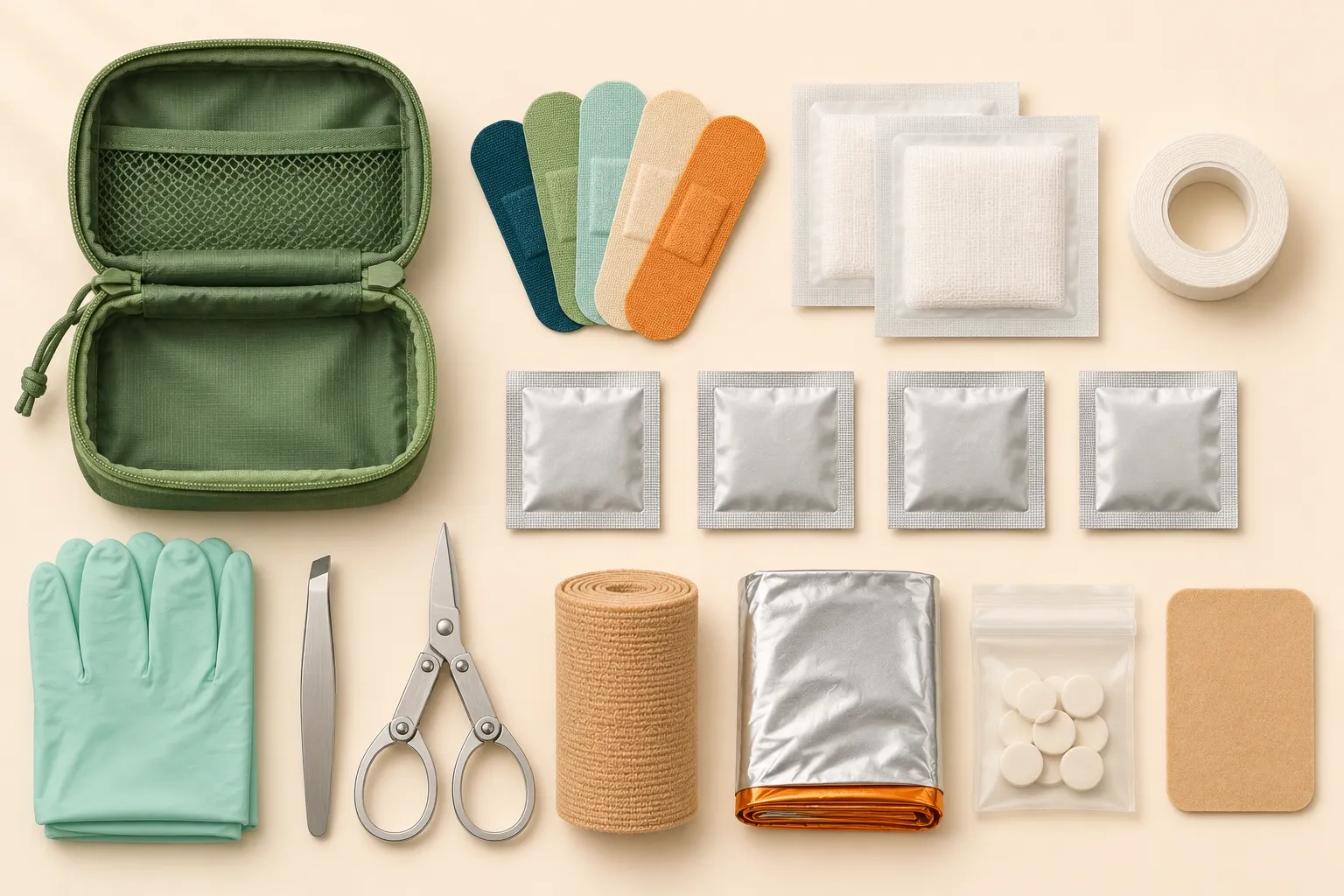
Hiking first aid kit checklist for day hikes
Tick each item as you pack. Your progress stays on this device. The list below covers small wounds and blisters, with supplies to help protect an injured person while you arrange help. It draws on the American Hiking Society’s personal kit list and NPS trip-planning advice.
Quantities depend on your group and trip. Leave wound closure and other advanced procedures to trained care.
Printable checklist: save it as a PDF
Use the Print button above for a paper copy. To save a PDF instead, choose “Save as PDF” in your browser’s print dialog. Keep the list with your kit for refills; the PDF is created on your device.
First aid kit contents: what each group is for
Put dressings together and keep tools easy to find. If a companion needs your kit, they should be able to open it and see what is there without emptying every pocket.
Cuts and scrapes
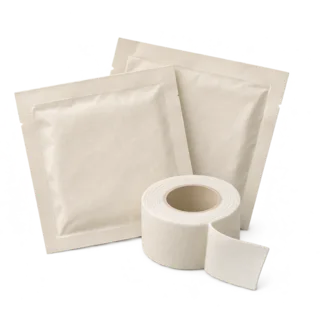
For a small cut once bleeding has stopped, rinse the wound with drinking water, then apply a sterile dressing. Keep it clean and dry; replace a wet or dirty dressing. See NHS wound care.
Blisters
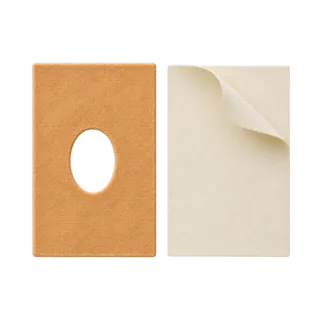
Moleskin or tape at the first hot spot. Our blister guide shows the five-minute stop.
Sprains
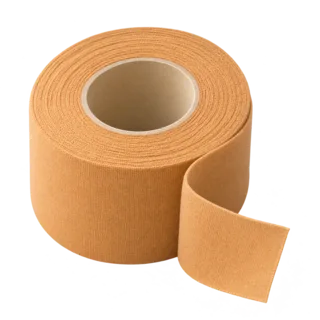
Stop and rest the injury. A bandage provides support; seek help if you cannot bear weight or walk more than a few steps. The NHS sprain guidance explains warning signs.
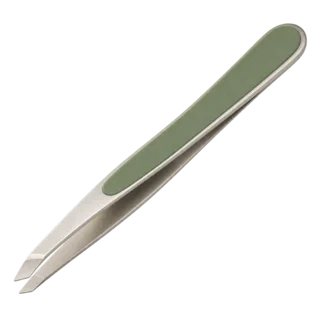
Ticks and splinters
The CDC says to grip a tick close to the skin with fine-tipped tweezers and pull with steady, even pressure without twisting. Clean the bite area and hands afterward; see a doctor if a rash or fever develops in the following weeks.
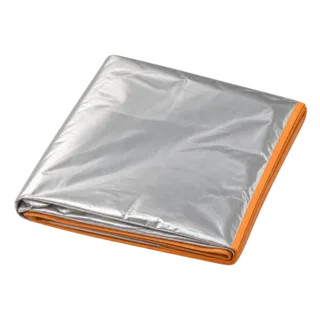
Cold while waiting
Keep warm layers on the person as well as an emergency blanket. Put insulation between them and cold ground while you wait for help.
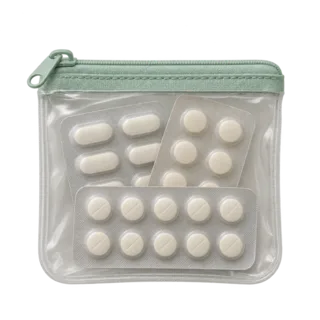
Your own needs
Daily medicines, an epinephrine auto-injector if prescribed, and anything a doctor told you to carry.
Medicines: keep them simple. Carry your own medicines in their original packaging and only the general pain or allergy medicines you already know you can take. Follow the label or your pharmacist; this guide does not give doses.
Add to it for longer, hotter or more remote trips
Even a short, marked trail can leave you waiting for help. Add supplies when the route is remote or the group is larger. Check current hazards on the park’s website or ask a ranger before choosing extra supplies.
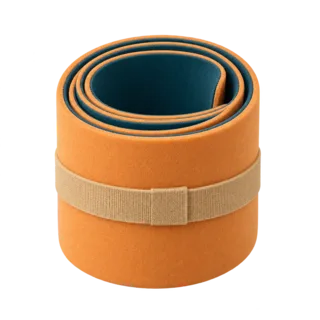
Wilderness first aid kit: remote trips
Add extra dressings and personal medicines for a possible delay. Carry a splint only if you know how to use it, plus a way to signal without cell coverage.
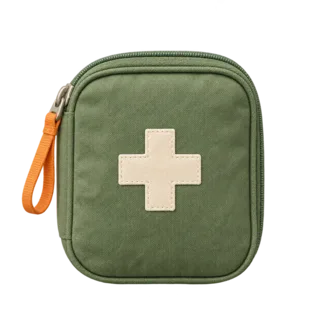
Group or kids
More bandages and gloves, and each person’s own medicines. Agree who carries the kit.
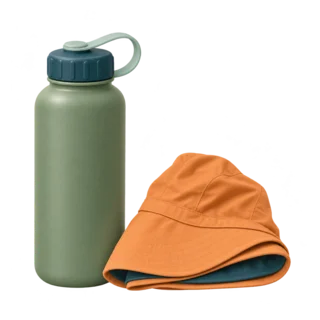
Hot or sunny
Sunscreen and lip protection belong with your sun gear. Plan water, food, shade and cooler hiking hours; extra first aid supplies cannot prevent heat illness. See our water guide.
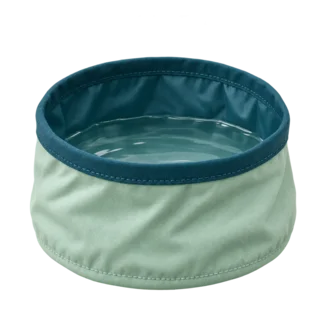
Dog hiking first aid kit
Ask your vet to choose supplies for your dog and teach you to use them. Carry their medicines and your vet’s contact details. The FDA warns against sharing human pain medicines; call your vet before giving any.
Buy a kit or build your own DIY first aid kit?
The National Park Service recommends adapting a pre-made kit. A DIY first aid kit is another option if you already have suitable supplies at home. Either way, check what you already own before buying extras.
Ready-made kit
- Fast: one purchase, organized pouch.
- Check it: count the dressings and look for gloves, blister care and an elastic bandage.
- Remove what you cannot use; add your medicines.
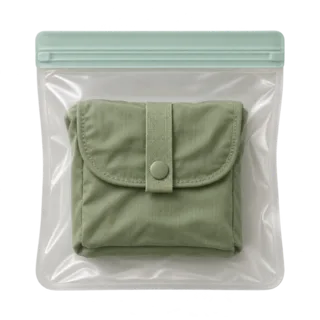
Build your own
- Fits your trip: choose each item and quantity.
- Refill separately: replace the supplies you used without buying another kit.
- Pack in a waterproof bag so rain or a leaking bottle does not ruin it.
Pack it and check it
A rain-soaked dressing packet or an empty medicine blister is easy to miss in a closed pouch. We suggest opening every compartment before leaving: check what is inside and add your medicines.
Seal it. Put the kit in a zip bag or a dry bag. Replace dressings with wet or damaged sterile packaging.
Pack it where you can reach it. Near the top or in the lid, never at the bottom under your food. See how to pack a hiking backpack.
Tell your group where it is. If you are the one who gets hurt, someone else will need to find it.
Refill after every hike. Replace what you used the same evening, while you still remember.
Check dates before a hike. The NPS says to replace expired items. Check medicines and sterile packets.
Know how to use it and how to call for help
Practice using the supplies before heading out. The National Park Service suggests learning CPR and basic wilderness first aid, especially for backcountry trips, and making a plan for what to do if someone gets hurt or lost.
Call for help early. For a serious injury, trouble breathing, bleeding that will not stop or a person who cannot walk, call 911 in the US (or the local emergency number). The NPS warns that many parks have no cell coverage; a personal locator beacon can send a distress signal where a phone has no service. Set up and learn your chosen device before leaving; rescue can still take a long time.
This guide explains what to pack for a day hike. It does not teach you how to treat injuries and does not replace a first aid course or medical advice.
Hiking first aid kit questions
What should be in a first aid kit for hiking?
For a day hike: adhesive bandages, gauze and tape, blister care, hand wipes or sanitizer, gloves, tweezers, small scissors, an elastic bandage, an emergency blanket, your own medicines and an info card. Add more for remote, long or group trips.
How big should a day-hike first aid kit be?
Choose the contents first, then a pouch that holds them dry and accessible. Group size, medical needs and distance from help matter more than pouch dimensions. Recount supplies when someone joins the hike.
Should I buy a first aid kit or make my own?
A ready-made kit saves shopping time. Build your own if you want to choose every item, or already have suitable supplies. With either option, check the contents against your group’s needs and add personal medicines.
What medicines should I bring hiking?
Your daily medicines and anything your doctor prescribed, such as an epinephrine auto-injector for a severe allergy. Keep them in the original packaging. Ask a pharmacist about general pain or allergy medicines; this guide does not give doses.
What changes in a backpacking first aid kit?
A backpacking first aid kit needs enough dressings and medicines for the planned trip plus an unexpected delay. Consider a splint if trained to use it. A day hike can also be remote: choose supplies by distance from help, not by whether you camp overnight.
How often should I check my first aid kit?
Before each hike, including after a long spell in storage. Check expiry dates and packet condition. The Pack it and check it section above gives a refill routine.
What belongs in an ultralight hiking first aid kit?
Start with the same jobs: wound dressings, blister care, gloves, tools and personal medicines. To make an ultralight kit, remove duplicate tools already carried elsewhere in your pack and use a smaller waterproof pouch. Keep enough dressings for your group and retain prescribed emergency medicines and protection from cold.
Do I need a first aid kit for a short hike?
Yes, a small one. Blisters, scrapes and twisted ankles happen on short trails too. The first aid kit is one of the National Park Service’s Ten Essentials for every outing.
Kit packed? Check the rest of the bag. Use the day-hike checklist for water, layers, light and navigation.