
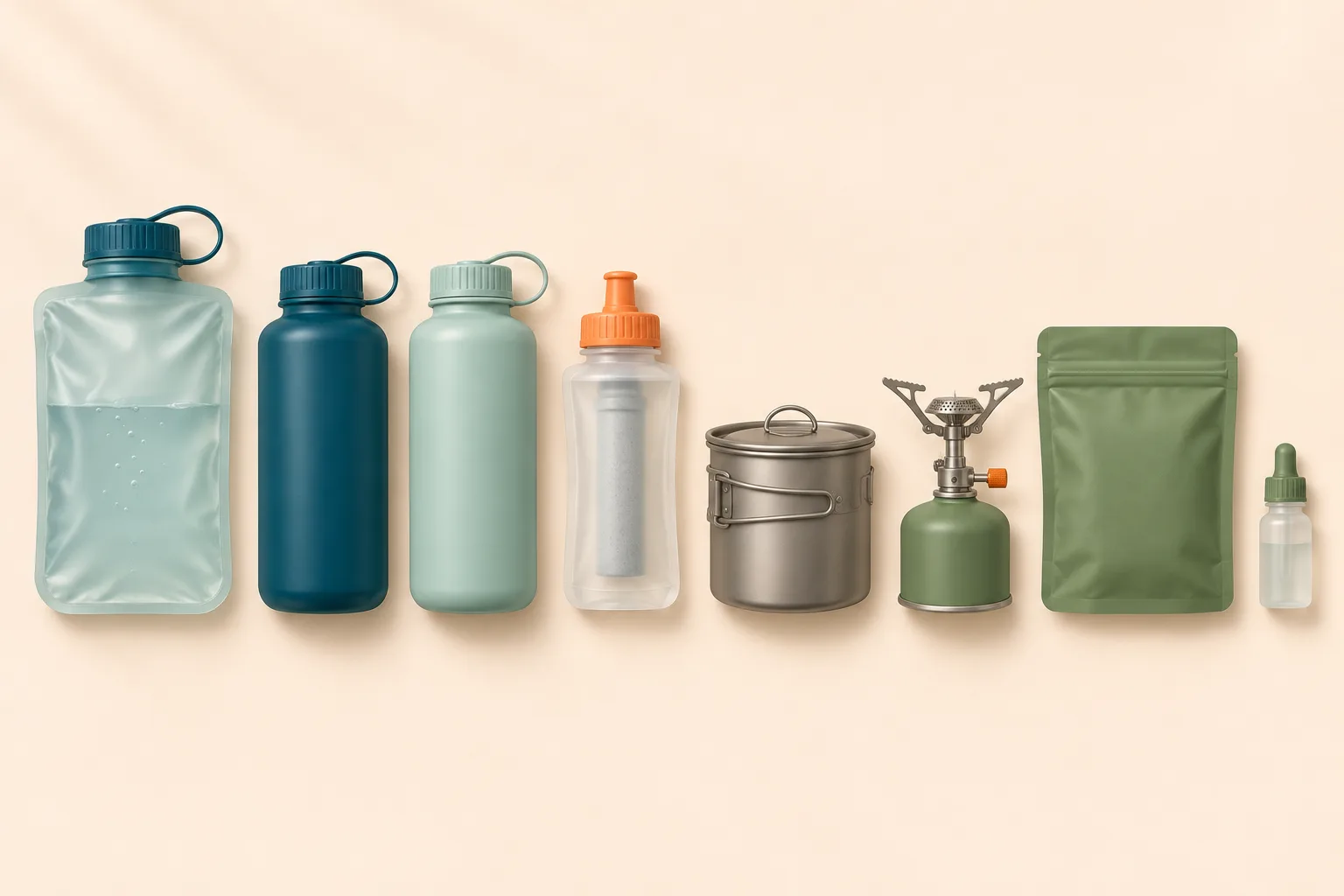
How much water to carry backpacking: the short answer
Most backpackers drink about 3–4 liters per day in mild weather, and far more in heat. Very few carry all of it at once. Water weighs 1 kg per liter (2.2 lb), so three days of water would weigh 12–16 kg (26–35 lb) on top of your gear. You carry enough to reach the next reliable source, plus a reserve, and refill there. Those 3–4 L cover only the walking; camp water comes on top.
The American Hiking Society suggests half a liter per hour in moderate temperatures and terrain. REI notes that hard hiking in high heat may need a liter or more per hour. We use those two rates for every number below.
Find the longest stretch between sources. Mark every water source on the map, check which are reliable this season, and measure the gaps in hours of walking.
Multiply those hours by your rate. About 0.5 L (17 oz) per hour in mild weather; up to 1 L (34 oz) per hour in heat or on long climbs.
Add camp water if you will cook away from a source. Roughly 1.5 L for dinner, drinks and breakfast. At a dry camp, also carry the next morning’s walk to water.
Add a reserve. Half a liter to a liter in case a source is dry or the climb takes longer.
How much water to carry backpacking: calculator
Enter the walking time to your next reliable source. For a dry camp, add the next morning’s walk to the hours. We round the result up so you leave with a little more than the math says.
Backpacking water calculator
Your own numbers beat any rule. Note how much you drink on your first few trips, per hour on the trail and per evening at camp. After a season you will know your own rate.
How much water per day backpacking
A backpacking day is long. Six to eight hours on the move, then an evening and a morning at camp. For one person, the daily total looks roughly like this:
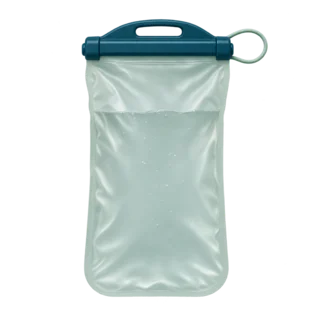
Walking: 3–4 L per day
Six to eight hours at 0.5 L per hour in mild weather. In heat, the same day can take 6–8 L.
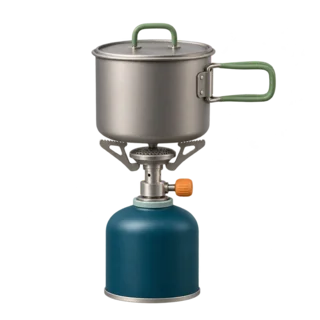
Camp: about 1 L
Water for a rehydrated dinner, a hot drink and breakfast. Check your meal packages for exact amounts.
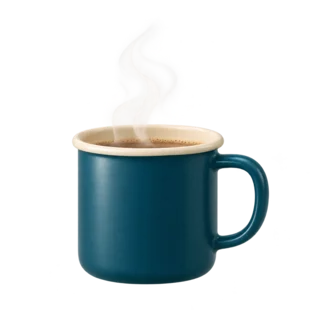
Evening and morning: 0.5–1 L
What you drink at camp and before you set off. More after a hot day.
That adds up to about 4.5–6 L per person per day in mild weather. It sounds like a lot, but you take it in small loads: 1–2 L between creeks, then a fill-up near camp.
Desert parks set a floor. Canyonlands National Park tells backpackers to carry a minimum of 4 liters (1 gallon) of water per person per day, because reliable sources there are rare. In summer heat, plan above that minimum.
Water for cooking and backpacking meals
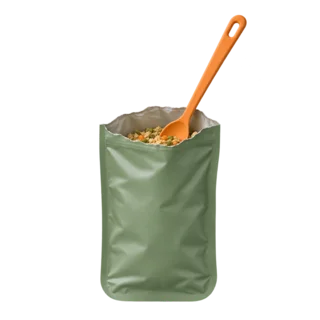
Cooking water adds up: dinner, coffee and breakfast easily reach a liter. A freeze-dried two-serving pouch usually calls for about 1.5–2 cups (350–475 ml) of boiling water; a single serving needs less. Oatmeal, a coffee and a cup of soup each add another 250–350 ml.
Dinner
Freeze-dried meals: follow the line on the pouch. Pasta or rice you boil and drain uses more.
Hot drinks
One mug is about 250–350 ml. Count every coffee, tea or cocoa you plan to have.
Cleanup
A splash to rinse the pot. Scatter used water at least 200 feet (about 70 steps) from lakes and streams.
Boiling also treats the water you cook with. The CDC advises a rolling boil for 1 minute, or 3 minutes above 6,500 feet (2,000 m). If the water came from a stream, keep it at a rolling boil that long before you pour it into the pouch, or treat it first.
How much water for an overnight hike or a 2 day trip
Here is how the same rate plays out on common trips. Each example is for one person in mild weather, hiking 6–8 hours a day.
Overnight, camp at a creek
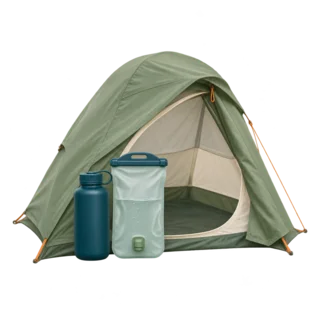
Start with 2–3 L. Refill on the way if you can, fill up for dinner and breakfast at camp, and leave camp with enough to reach the car.
Overnight, dry camp
Two hours to camp (1 L), dinner and drinks (1 L), night and breakfast (0.5–1 L), two hours out in the morning (1 L). That is 3.5–4 L, or 4–5 L with a reserve.
3 day trip with sources
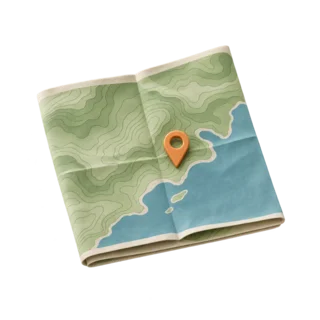
The total is about 12–16 L over three days, but you never carry more than the longest gap needs. Often that is 2–3 L.
So, how much water should you bring on a two day backpacking trip? Two walking days and one night at camp add up to about 8–10 L, or 8–10 kg (18–22 lb) if you carried it all. That is why almost every trip plan is built around refills. For 2 people camping for 2 days without any source, double it: about 16–20 L, which is a car-camping amount. On foot, we would pick a site near a reliable source instead.
A dry camp step by step
Fill up at the last source before camp. Take the hours to camp, plus about 1 L for dinner and a drink, 0.5–1 L for the night and breakfast, and the morning walk to the next water.
Carry it in a soft water bag. A collapsible 4 L carrier is light when empty and can hang at camp.
Cook the simplest meal. A rehydrated dinner needs less water than pasta you boil and drain.
Leave early. Walk the dry morning stretch before the heat.
Plan refills before you rely on them
Every number above depends on where the next water is. The National Park Service notes that some hikes have reliable water and others do not, and seasonal springs can be dry by late summer. Call the ranger station or check the land manager’s current conditions page before you set out. On long trails, hikers’ water reports are useful, but one report is only a hint: water levels change within a week.
Count on it
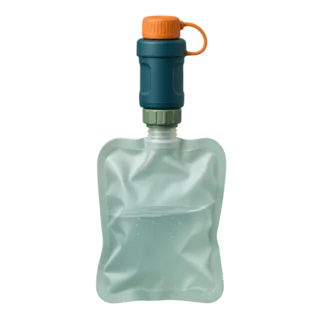
- Lakes, large rivers and piped springs confirmed by a ranger this season.
- Flowing creeks on a route where recent reports agree.
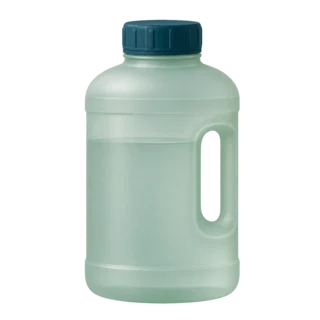
Do not count on it
- Seasonal springs and small creeks late in summer or in a dry year.
- Cattle tanks and caches left by others.
- Water you saw on an old map or trip report without a recent check.
If a source is dry, turn back or reroute while you still have water. Do not push on to the next source on an empty bottle. Decide at the dry source while you still have enough to walk back to the last confirmed water. On long dry stretches, size the reserve to that walk, and keep the route plan with someone at home.
Treat every source you collect from
Clear water can still carry germs. The NPS advises never drinking from a natural source you have not purified, even if it looks clean. Pick a method before the trip and carry a backup.
Filter
Removes parasites such as Giardia. A filter with an absolute pore size of 0.3 micron or smaller also removes bacteria, but not viruses.
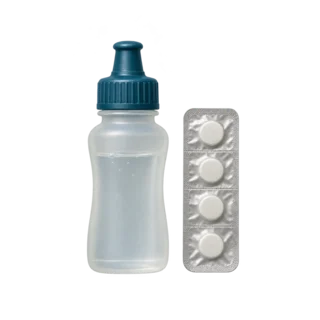
Chemical treatment
Kills bacteria and viruses. Chlorine and iodine work poorly on parasites, so filter first, then wait the time on the label.
Boiling
Works on all germs. A rolling boil for 1 minute, 3 minutes above 6,500 feet. Costs fuel.
The CDC calls boiling the best way to kill germs, and filtering then disinfecting the next best option. That is why we pack a filter and a small bottle of drops. Collect from moving water. No field method removes toxins from cyanobacteria blooms, so skip green, scummy water and stagnant pools.
How to carry enough water while backpacking
Water is the heaviest thing you carry, so the way you carry water matters. REI suggests that a loaded backpacking pack should weigh no more than about 20 percent of your body weight. For a 70 kg (155 lb) hiker that is 14 kg (31 lb), and four liters of water already use 4 kg of it.
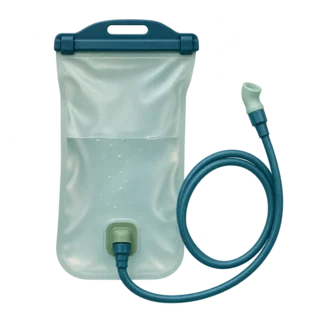
Bladder for walking
Sip without stopping. Harder to see how much is left.
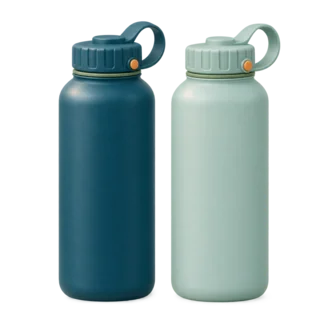
Water bottles you can reach
Two 1 L bottles in side pockets: easy to check, refill and treat.
Soft carrier for camp
A 2–4 L collapsible bag for dry camps and long gaps. Rolls up when empty.
One habit helps more than any gear: drink your fill at the source. Drink half a liter or so while you are there, then leave with full bottles. You carry less weight away from the water.
How much water should you drink backpacking
Sip at regular breaks. Big gulps at the end of the day do not make up for a dry afternoon. On long or hot days, eat salty snacks too: you lose salt as well as water when you sweat. Drinking large amounts of plain water while losing salt can cause hyponatremia; nausea and confusion are warning signs.
Watch for heat illness. Heavy sweating, cool clammy skin, dizziness or cramps can mean heat exhaustion: stop in shade, cool down and drink. Confusion or very hot skin can mean heat stroke: call 911 or use a satellite messenger if you have no signal.
Water plan before you leave
How much water to bring backpacking: quick answers
How much water should you bring on a two day backpacking trip?
Plan about 8–10 L in total in mild weather: two walking days plus one evening and morning at camp. Do not carry all of it: carry enough to reach each confirmed source plus a reserve, and refill there.
How much water for 2 people camping for 2 days?
Roughly 16–20 L in mild weather with cooking, more in heat. If there is no water at the site, that is a car-camping amount; on foot, choose a site near a reliable source and treat it.
How much water for a 3 day backpacking trip?
About 12–16 L per person over three days in mild weather. On a trail with reliable sources you usually carry only 2–3 L at a time.
How many liters of water to carry backpacking per day?
Most backpackers carry 1–3 L at a time and drink 3–4 L per day while walking, plus about 1 L for camp. In a desert, Canyonlands sets a minimum of 4 L per person per day.
How much water do backpacking meals need?
A freeze-dried two-serving pouch usually needs about 1.5–2 cups (350–475 ml) of boiling water. Check each package and add hot drinks and breakfast.
What is the 200 rule for camping?
Leave No Trace asks you to camp, wash and dig catholes at least 200 feet (about 70 adult steps) from lakes and streams. Collect water at the shore, then carry it away to cook and wash.
What is the 20% rule for backpacking?
A rule of thumb that a loaded pack should weigh no more than about 20 percent of your body weight. Water counts toward it, which is one more reason to carry only what you need to the next source.
Plan the water, then check the rest of the pack. Start with the day-hike checklist and the water guide for day trips.